Healing in my sleep and while awake: perimenopause, sciatica, and learning what my body was actually asking for
- Alahnnaa Campbell

- 3 hours ago
- 3 min read
It is so important for women to understand what their body is trying to do during perimenopause. We hear about the symptoms, but few address that this is communication from the body, for what it needs, to have a better final chapter in life:
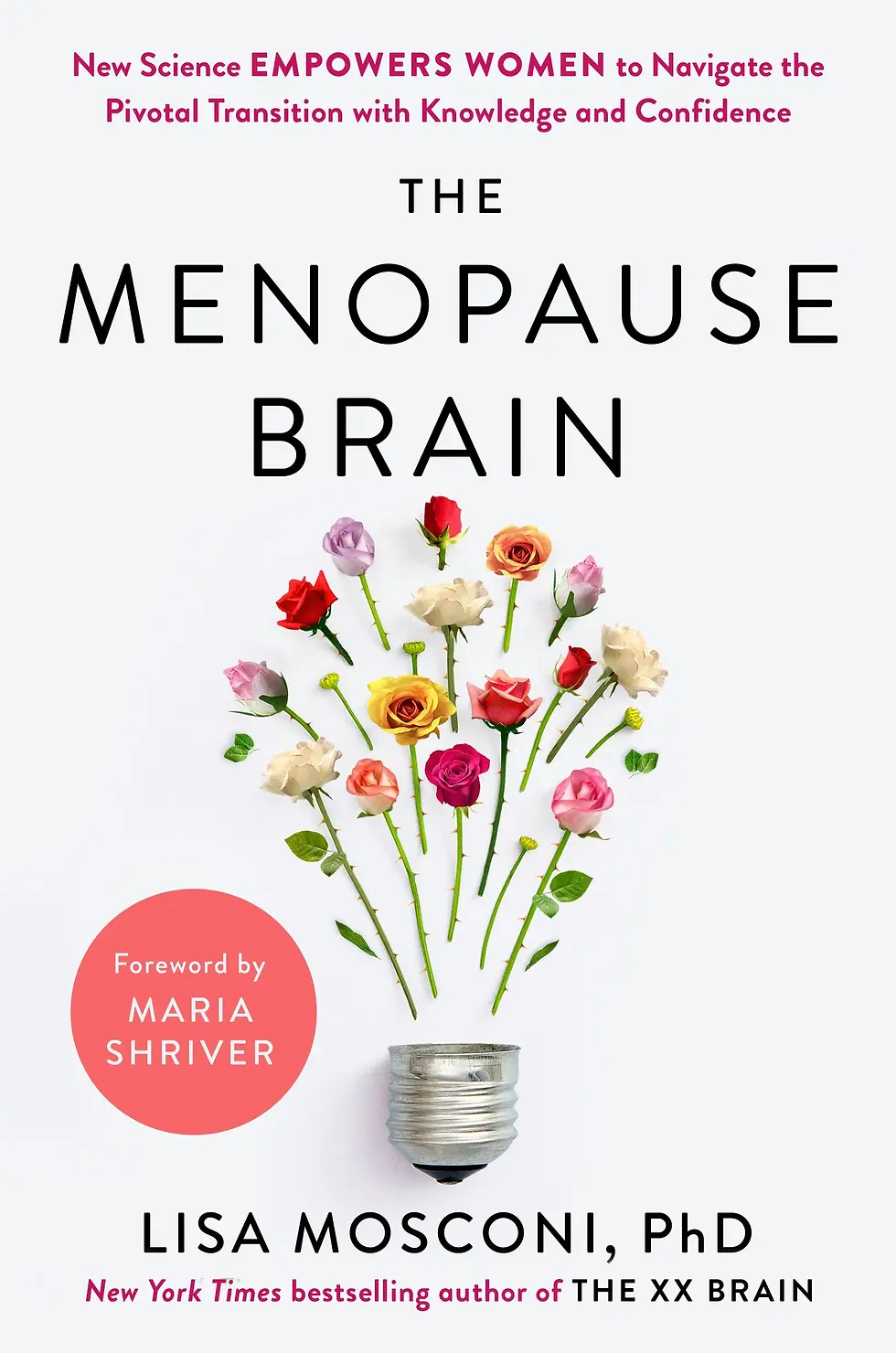
I wanted to share a simple example of how this work can look in real life—especially during perimenopause, when symptoms can shift quickly and it’s not always obvious what the body needs.
The problem: sciatic pain that wouldn’t budge
I was trying to clear sciatic pain on my left side. I fell asleep with several RestoreChi tracks playing under my left gluteal fold (right where the pain was), including sciatica support and a few balancing tracks.
It helped a little, but it didn’t *clear* the pain.
The change that mattered: treating the root, not the location
In the night, I moved the speaker from the painful area to my **left kidney**.
That’s when things shifted.
By morning, the sciatic pain finally released in a way it hadn’t when I was only treating the spot that hurt.
This is one of the most important principles I’ve learned (and what I help clients do):
the loudest symptom isn’t always the root.
Why I suspected kidneys mattered (especially in perimenopause)
As my period was nearing, I noticed a few things at once:
- I was unusually thirsty
- when I drank water or juice, it felt like it just *sat* in my stomach
- my system felt more sensitive and reactive overall
Sometimes thirst is simply thirst. But sometimes it’s a sign that the body’s filtering and regulation systems need support.
In perimenopause, as reproductive hormones begin to shift, the body often leans more heavily on stress-regulation pathways. For some people, that shows up as:
- low back or hip pain
- nerve irritation
- sleep disruption
- fluid regulation feeling “off”
- symptoms that move around the body rather than staying in one place
For me, the pattern was pointing to deeper support—not just local pain relief.
What I noticed over time: symptoms can “move” as the body rebalances
Before this phase, my pre-period pattern used to show up more as breast congestion, and before that it showed up as deep sinus pressure that I mistook for headaches. More recently it’s been occasional sharp pain into the sinus area of my right eye when I’m stressed (and a chronic pain in my upper left nostril.
I’m sharing this because many people get scared when symptoms change — what if it means things are getting worse? And even if you wanted help, how would you explain something that keeps moving?
Stress can bring back pain (it's communication after all)
Low back pain returns when I am emotionally activated, and it shifts left to right, depending on if I am dealing with a issue with women in my life, or with stepping out into the world with my business (respectively).
Pain coming back doesn’t mean what I did to relieve it didn’t work. It means my body is still trying to show me something important.
When we’re under pressure, the body tightens, circulation changes, and old pain pathways can light up again. That’s not a personal failure. It’s information.
What this means for you
If you’re dealing with pain, hormone transition symptoms, or recurring patterns that don’t respond in a straightforward way, this is the kind of support I offer:
- we track your pattern (not just the symptom)
- we test small, appropriate interventions
- we pay attention to what changes—sleep, pain, digestion, mood, energy
- we adjust based on your body’s feedback
- we pace it so your system can integrate, not just “push through”
Sometimes the most effective shift is surprisingly simple—like changing where and how we support the system.
Want help figuring out what your body is asking for?
If you’re in perimenopause (or another high-change season) and you’re tired of guessing, reach out.
Book a 1:1 session or email alahnnaa18@yourlifeplan.ca with the subject line: “Help me navigate perimenopause"


Comments